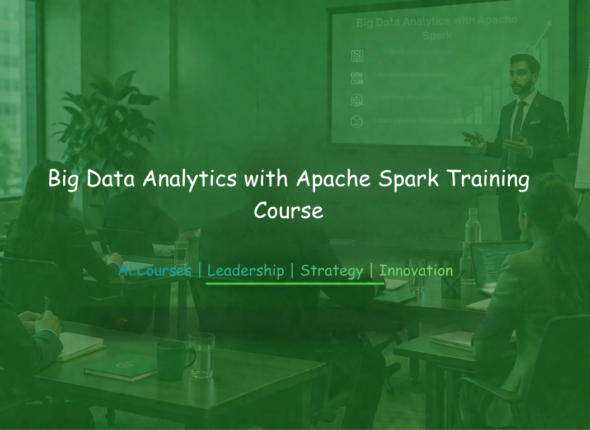
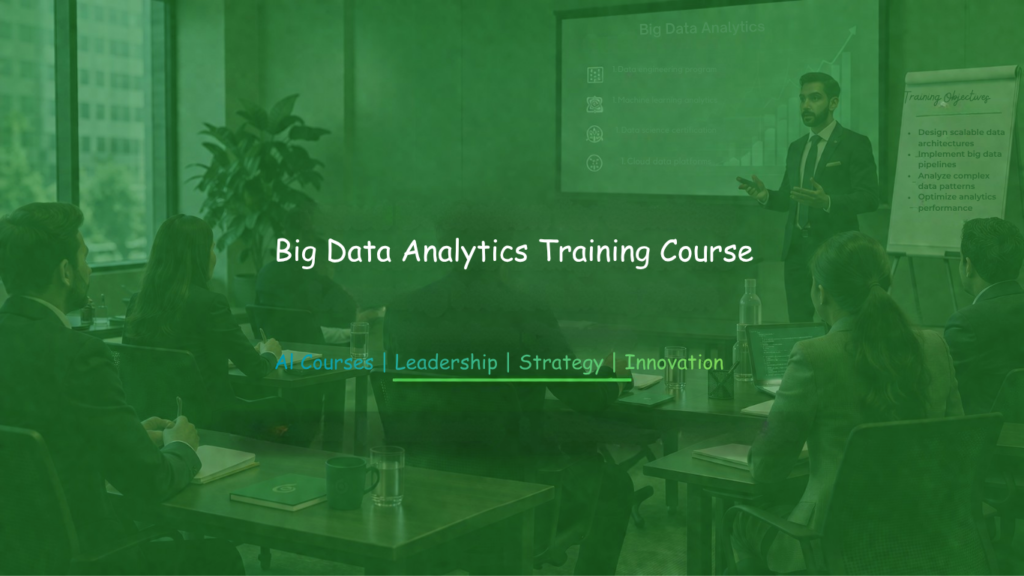
As data continues to grow at an unprecedented pace and enterprise systems become more complex, organizations increasingly need to rethink how they approach analytics. However, many still depend on traditional methods that rely on siloed data, struggle to scale, and often produce delayed insights, ultimately limiting their strategic impact. Therefore, this Big Data Analytics Training is designed to equip professionals with the practical skills and modern capabilities needed to lead effective, data-driven transformation.
Specifically, the course introduces a comprehensive and practical analytics framework that brings together distributed computing, machine learning pipelines, and real-time processing. In addition, participants gain hands-on experience using widely adopted tools such as Hadoop, Spark, and cloud-native platforms to generate meaningful and scalable insights. As a result, they move beyond reactive reporting and begin to adopt more predictive, prescriptive, and strategically aligned approaches to decision-making.
Training Objectives
Upon completion of this training course, participants will be able to:
- Design scalable data architectures using distributed computing frameworks and cloud-based data platforms
- Evaluate large-scale datasets using advanced analytics techniques and machine learning algorithms
- Implement big data processing pipelines using tools such as Apache Spark and Hadoop ecosystems
- Analyze complex data patterns to support predictive and prescriptive decision-making models
- Apply performance optimization techniques for data processing efficiency and system scalability
- Integrate analytics solutions into enterprise systems and digital transformation initiatives
- Enhance decision-making through data-driven insights and advanced visualization tools
Who Should Attend?
This training course is ideal for:
- Data analysts and data scientists managing large-scale datasets
- IT managers and decision-makers driving digital transformation strategies
- Data engineers and technical professionals building data pipelines
- Operations and support staff handling data systems and reporting processes
- Governance, risk, and compliance professionals overseeing data integrity and security
Training Summary
This training strengthens participants’ capability to design, implement, and optimize advanced data analytics systems at scale. It enables a clear transition from traditional reporting methods to intelligent, automated analytics frameworks that support enterprise performance. Through this course, participants will:
- Develop advanced data engineering and analytics capabilities
- Enhance strategic impact through data-driven insights
- Transition from legacy analytics to modern big data ecosystems
- Improve operational efficiency through optimized data processing
- Build scalable and adaptive analytics infrastructures
Key Takeaways
- Practical mastery of distributed data processing frameworks and tools
- Strong capability to design and implement scalable analytics solutions
- Enhanced analytical thinking using machine learning and predictive models
- Ability to apply analytics techniques in real-world business contexts
- Increased confidence in executing data-driven strategies
Course Outline
- Evolution of big data and modern analytics landscapes
- Limitations of traditional data processing systems
- Key concepts: volume, velocity, variety, and veracity
- Overview of distributed computing architectures
- Introduction to Hadoop ecosystem components
- Data storage models: HDFS and NoSQL systems
- Strategic importance of data-driven enterprises
- Apache Spark architecture and core components
- Batch versus real-time data processing models
- Data ingestion techniques and pipeline design
- ETL and ELT methodologies in big data environments
- Data transformation and cleansing at scale
- Workflow orchestration using modern tools
- Performance tuning and resource optimization
- Introduction to machine learning in big data contexts
- Supervised and unsupervised learning techniques
- Feature engineering and data preparation strategies
- Model training and evaluation at scale
- Predictive analytics and forecasting models
- Integration of AI with big data platforms
- Ethical considerations in data analytics
- Data visualization principles for large datasets
- Tools for interactive dashboards and reporting
- Real-time analytics and streaming data insights
- KPI development and performance measurement
- Decision intelligence frameworks and applications
- Data storytelling for executive communication
- Integration with business intelligence platforms
- Big data strategy alignment with business objectives
- Data governance frameworks and compliance standards
- Data security, privacy, and risk management
- Cloud-based big data solutions and architectures
- Scalability and cost optimization strategies
- Integration with enterprise systems and workflows
- Future trends: AI-driven analytics and automation
Training Methodology
This course adopts a structured, application-driven approach to ensure participants gain both theoretical understanding and practical expertise. It emphasizes real-world implementation, modern tools, and collaborative problem-solving.
- Expert-led sessions on advanced data analytics frameworks
- Practical application of distributed computing and machine learning tools
- Real-world case studies on data-driven transformation initiatives
- Tool-based demonstrations of analytics platforms and pipelines
- Interactive discussions and scenario-based problem-solving sessions
Certification
Upon successful completion, participants will receive a Certificate of Completion in Big Data Analytics Training issued by Vision Reach Global Consultancy.
| Location | Duration | Fee | Language | |
|---|---|---|---|---|
| Online, Virtual | Mon - Fri (5 Days) | USD 800 | 80,000 KES | English | Book Next Session → |
| Nairobi, Kenya | Mon - Fri (5 Days) | USD 1500 |110,000 KES | English | Book Next Session → |
| Mombasa, Kenya | Mon - Fri (5 Days) | USD 1500 |115,000 KES | English | Book Next Session → |
| Kisumu, Kenya | Mon - Fri (5 Days) | USD 1500 |115,000 KES | English | Book Next Session → |
| Naivasha, Kenya | Mon - Fri (5 Days) | USD 1500 |110,000 KES | English | Book Next Session → |
| Cape Town, South Africa | Mon - Fri (5 Days) | USD 3,600 | English | Book Next Session → |
| Pretoria, South Africa | Mon - Fri (5 Days) | USD 3,200 | English | Book Next Session → |
| Johanessburg, South Africa | Mon - Fri (5 Days) | USD 3,400 | English | Book Next Session → |
| Zanzibar, Tanzania | Mon - Fri (5 Days) | USD 2,600 | English | Book Next Session → |
| Dar es Saalam, Tanzania | Mon - Fri (5 Days) | USD 2,000 | English | Book Next Session → |
| Arusha, Tanzania | Mon - Fri (5 Days) | USD 1,900 | English | Book Next Session → |
| Dodoma, Tanzania | Mon - Fri (5 Days) | USD 1,800 | English | Book Next Session → |
| Kigali, Rwanda | Mon - Fri (5 Days) | USD 1,900 | English | Book Next Session → |
| Kampala, Uganda | Mon - Fri (5 Days) | USD 1,900 | English | Book Next Session → |
| Dubai, UAE | Mon - Fri (5 Days) | USD 3,800 | English | Book Next Session → |
| Abuja, Nigeria | Mon - Fri (5 Days) | USD 2,800 | English | Book Next Session → |
| Lagos, Nigeria | Mon - Fri (5 Days) | USD 2,800 | English | Book Next Session → |
| Accra, Ghana | Mon - Fri (5 Days) | USD 5,500 | English | Book Next Session → |