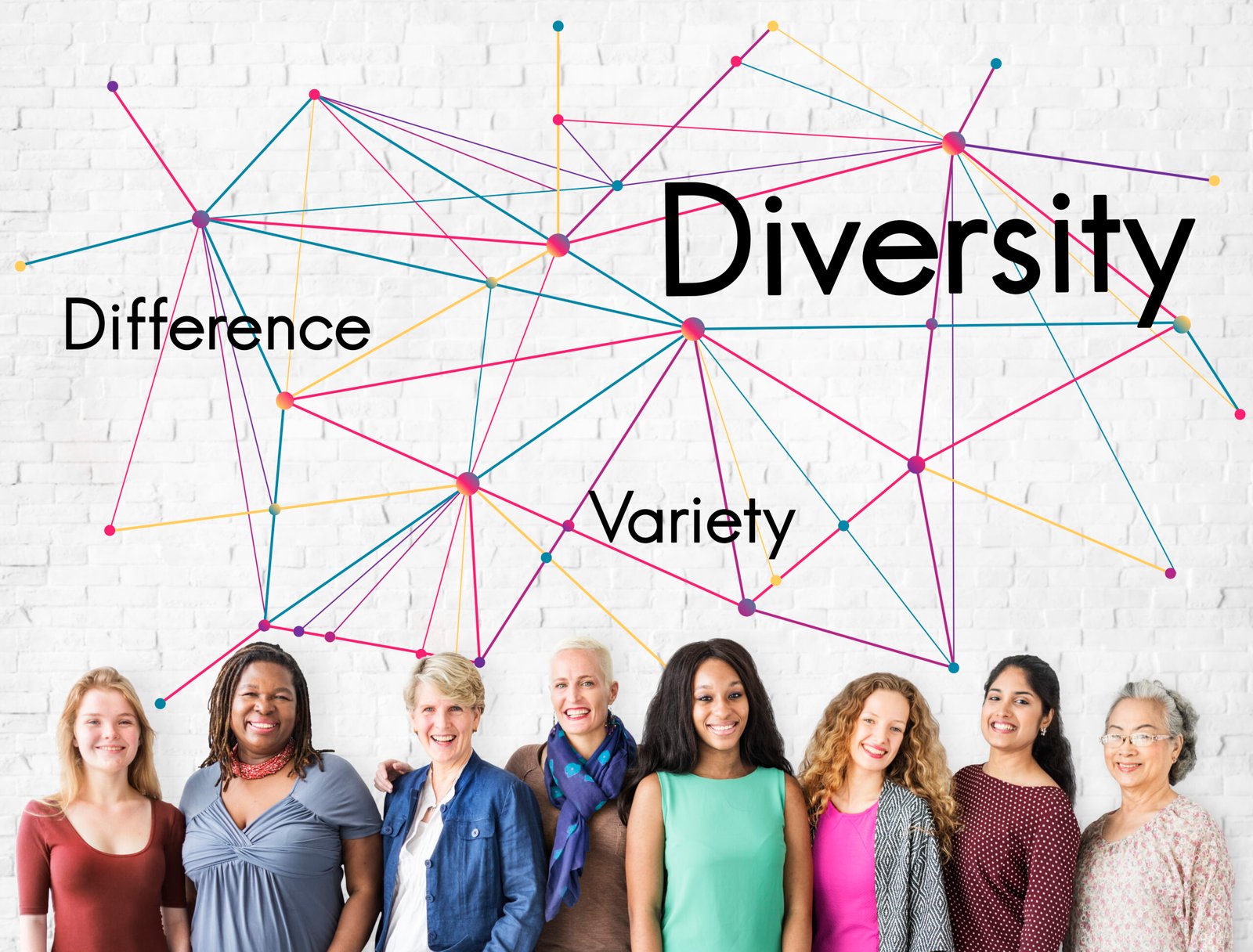
Gender mainstreaming and social inclusion are essential for designing impactful, equitable programs, particularly in Official Development Assistance (ODA) contexts. Beyond being guiding principles, they require deliberate capacity-building to ensure that project teams can apply them effectively in practice. This is where targeted training on gender mainstreaming becomes critical.
Why Gender Mainstreaming and Inclusion Matter
Gender mainstreaming integrates gender perspectives across all stages of a project: planning, design, implementation, and evaluation, while social inclusion ensures that disadvantaged groups can access resources, opportunities, and decision-making processes. Together, they help ensure that no one is left behind and that development interventions are both effective and sustainable.
Importantly, gender equality is not only a development goal but also a driver of economic growth, social stability, and innovation.
Legal and Policy Context
ODA-funded projects must align with key legal frameworks, such as the International Development Act, Gender Equality Act, and Equality Act. These frameworks require projects to demonstrate measurable contributions to reducing inequality and promoting inclusion.
To meet these requirements, teams must not only understand the policies but also know how to translate them into practical project actions, another point where structured training becomes valuable.
Understanding Gender and Intersectionality
Effective programming depends on clarity around key concepts:
- Sex vs Gender: Biological characteristics differ from socially constructed roles and identities.
- Gender Identity: Individuals may identify differently from their assigned sex, including nonbinary identities.
- Intersectionality: Multiple forms of inequality, such as gender, race, disability, or income, interact and compound disadvantage.
A one-size-fits-all approach is therefore ineffective; tailored strategies are essential. Training is especially important at the early concept and design phase, to ensure teams correctly understand these distinctions and avoid oversimplified assumptions that can weaken project impact.
Core Areas of Social Inclusion
Projects typically address inclusion across three domains:
- Economic Participation: Access to jobs, income, and financial resources
- Social Participation: Inclusion in education, healthcare, and community life
- Political Participation: Representation in decision-making
Designing Inclusive Projects
Strong gender-sensitive projects include:
- Clear identification of gender gaps
- Robust gender and inclusion analysis
- Inclusive methodologies and disaggregated data
- Impact assessments across different groups
- Diverse and knowledgeable project teams
- Alignment with broader initiatives
Where training is appropriate:
- Proposal development stage: To guide teams in conducting gender analysis and defining measurable objectives
- Methodology design stage: To ensure data collection and engagement approaches are inclusive
- Team onboarding: To build a shared understanding of inclusion goals and responsibilities
From Gender-Sensitive to Gender-Transformative
Projects can range from gender unaware to gender transformative. Transformative projects go further by addressing the root causes of inequality, challenging harmful norms, stereotypes, and power imbalances.
Specialized training is critical for gender-transformative approaches, as it requires greater skills in facilitation, power analysis, and behavior-change strategies.
Embedding Inclusion across the Project Lifecycle
Inclusion must be integrated throughout:
- Planning: Engage diverse stakeholders
- Implementation: Remove participation barriers
- Communication: Ensure accessibility
- Monitoring & Evaluation: Track inclusion outcomes using disaggregated data
Where training is appropriate:
- Pre-implementation phase: To prepare delivery teams for inclusive engagement
- Monitoring & evaluation setup: To ensure teams can collect and interpret inclusion data effectively
- Mid-project reviews: As refresher or adaptive training based on emerging challenges
Writing a Strong Gender Equality Statement (GES)
A compelling GES requires:
- Early integration of gender considerations
- Clear articulation of short- and long-term impacts
- Use of intersectional analysis
- Specific, actionable commitments
Where training is appropriate:
Training is highly valuable during the proposal writing phase, helping teams avoid common pitfalls such as vague commitments or a lack of practical detail.
Practical Implementation Tips
Effective implementation includes:
- Early community engagement
- Evidence-based decision-making
- Partnerships with inclusion-focused organizations
- Continuous monitoring and adaptation
Where training is appropriate:
- Capacity-building workshops at project kickoff
- Ongoing learning sessions to refine approaches based on real-world feedback
- Targeted coaching for specific roles (e.g., M&E specialists, project managers)
Conclusion
Gender mainstreaming and social inclusion are not standalone components; they must be embedded throughout the entire project lifecycle. Training plays a pivotal role in turning theory into practice, ensuring that teams have the knowledge, tools, and confidence to design and deliver truly inclusive and transformative development initiatives.
Additional Resources
Gender-Transformative Approaches – Concept Note | Capacity4Dev (2025, May 19). https://capacity4dev.europa.eu/library/gender-transformative-approaches-concept-note_en