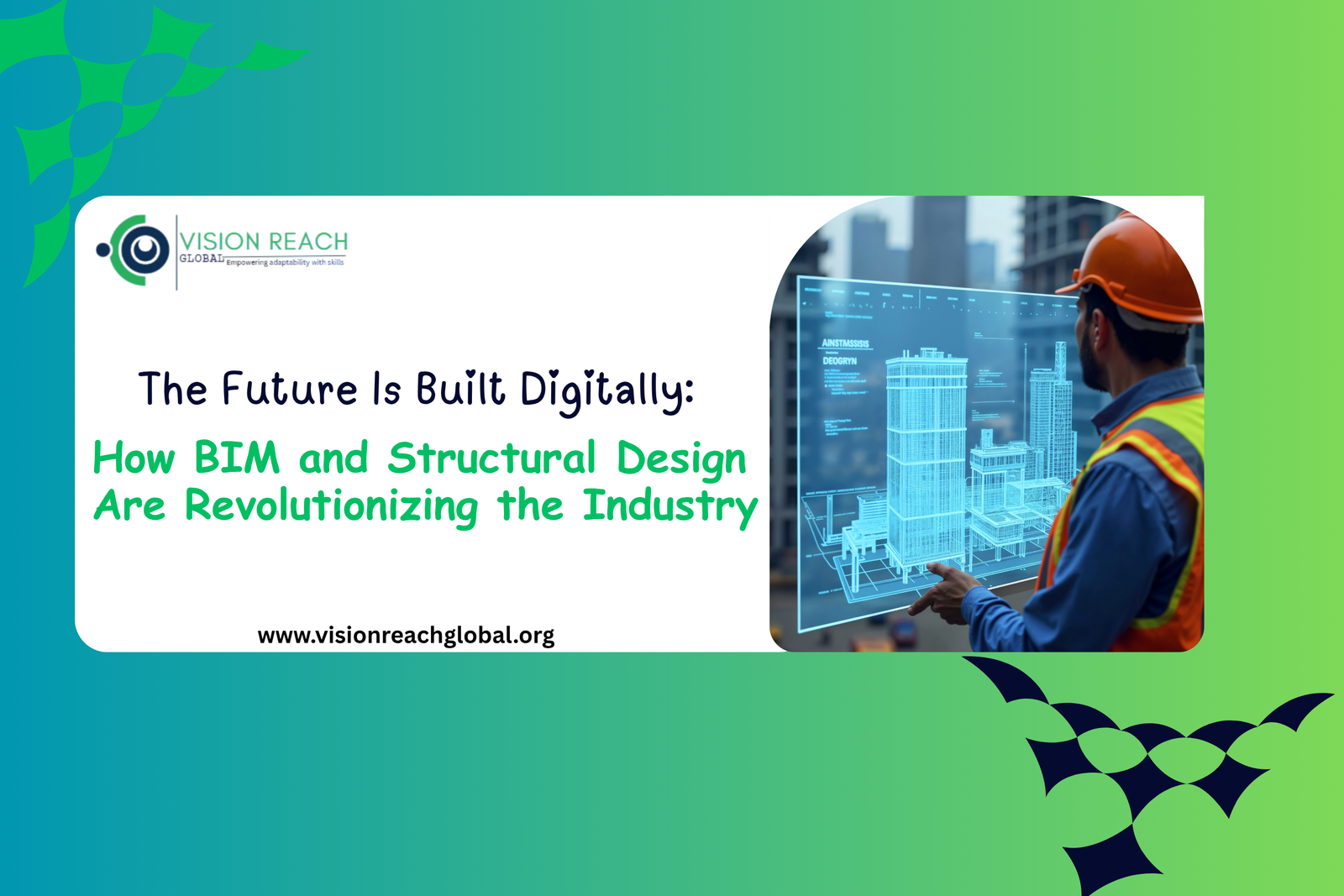
The way we build is changing, and it’s changing fast. For decades, construction relied on paper blueprints and guesswork. Now, however, we are stepping into a new era where the future is built digitally. This digital revolution is being powered by Building Information Modelling (BIM) and advanced structural design software. These tools are not just making things faster; they are fundamentally changing how we design, construct, and manage buildings.
What Exactly is BIM?
Think of Building Information Modelling (BIM) as more than just a 3D model. It’s a smart, data-rich process that creates and manages information on a construction project throughout its lifecycle. Instead of flat drawings, BIM provides a dynamic, digital representation of a building’s physical and functional characteristics. This means architects, engineers, and contractors can collaborate in a shared digital space, seeing how different parts of the project fit together before any physical work begins. Consequently, this leads to fewer errors and better decision-making.
Transforming Structural Design
Structural design, the backbone of any building, is experiencing a massive overhaul thanks to digital tools. Professionals are now using sophisticated software like ETABS and ProtaStructure.
- ETABS (Extended Three-Dimensional Analysis of Building Systems): This software is a powerhouse for analyzing and designing building structures. It allows engineers to model complex buildings, including high-rises, and simulate how they will respond to different loads like wind, earthquakes, and gravity. Thus, engineers can ensure the safety and integrity of structures with greater precision.
- ProtaStructure: Another leading software, ProtaStructure, offers integrated solutions for structural analysis and design. It handles everything from initial modeling to detailed drawing production. Furthermore, it streamlines the workflow, making the design process more efficient and less prone to mistakes.
The Power of Collaboration Through Digital Tools
One of the most significant benefits of digital construction is enhanced collaboration. With BIM, all project stakeholders, from the initial designer to the construction crew, can access and contribute to the same digital model. This shared understanding prevents miscommunications and costly rework. Moreover, it fosters a more integrated approach to problem-solving. When everyone is working from the same digital blueprint, conflicts are identified and resolved early in the design phase.
Benefits You Can See
The shift to digital construction brings a host of advantages:
- Improved Accuracy: Digital models eliminate the ambiguity often found in 2D drawings, leading to more precise construction.
- Cost Savings: By identifying clashes and potential issues early, BIM and advanced design software significantly reduce rework and material waste, saving money.
- Enhanced Efficiency: Streamlined workflows and automated processes mean projects are completed faster.
- Better Project Management: BIM provides real-time data and insights, allowing for more effective project planning and control.
- Increased Safety: Identifying potential hazards during the design phase through simulations leads to safer construction sites.
Looking Ahead
The future of construction is undeniably digital. Building Information Modelling (BIM) and advanced structural design software like ETABS and ProtaStructure are essential components of modern building practices. Embracing these technologies allows us to build smarter, safer, and more sustainable. Therefore, as the industry continues to evolve, those who adopt these digital solutions will be at the forefront of innovation, shaping the built environment of tomorrow.