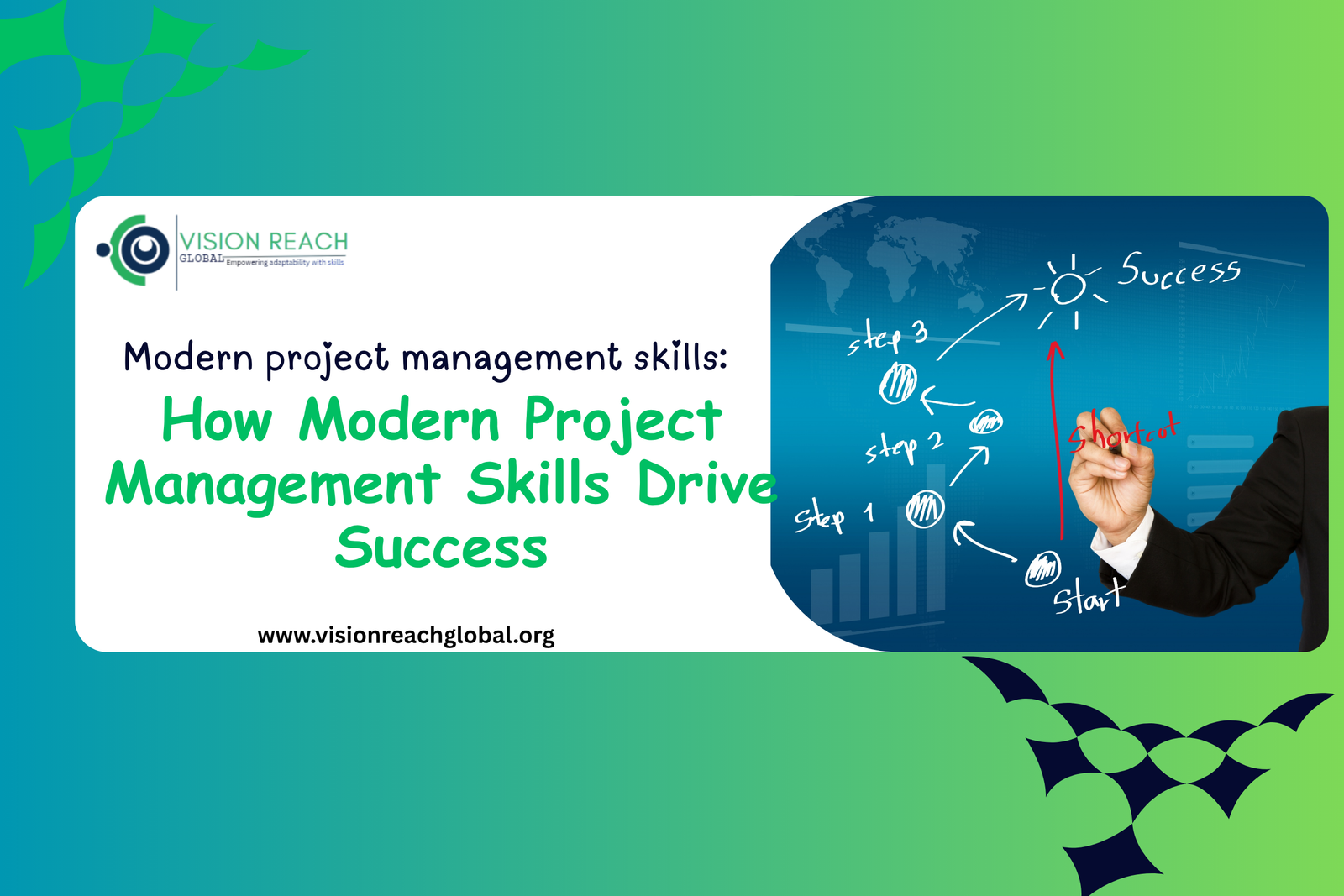
Modern projects require more than careful planning because they demand adaptable leaders, practical methods, and effective collaboration to achieve meaningful results. Whether managing infrastructure projects, digital transformation initiatives, development programs, or corporate operations, project managers must balance quality, cost, scope, and time while responding to changing priorities. Consequently, professionals with strong project management skills consistently deliver better outcomes and help organizations achieve strategic goals.
Success also depends on applying proven tools and frameworks that improve planning, communication, and decision-making throughout the project lifecycle. Furthermore, organizations that invest in Project Management Training, Project Planning, Project Risk Management, Stakeholder Management, Project Monitoring and Evaluation, and Project Governance build stronger teams capable of completing projects efficiently while creating long-term value.
Why Modern Project Management Skills Matter
Modern project management skills enable professionals to manage resources wisely, reduce uncertainty, and improve project performance from initiation to completion. Moreover, these skills strengthen teamwork, encourage accountability, and help project managers respond confidently to unexpected challenges. As a result, organizations complete projects on time, control costs, and satisfy stakeholder expectations more consistently.
Additionally, modern project environments continue evolving because technology, customer needs, and market conditions change rapidly. Therefore, professionals who continuously improve their technical and leadership capabilities remain competitive while delivering sustainable project success.
Essential Skills That Drive Successful Projects
Modern project managers combine technical expertise with strategic thinking to deliver quality results across different industries.
- Systems Thinking in Project Management: Helps project managers understand relationships between project activities, improving decision-making while reducing operational risks.
- Critical Path Method (CPM) for Project Managers: Identifies the most important project activities, ensuring critical tasks receive priority to prevent unnecessary delays.
- Agile Project Management with JIRA: Enables teams to collaborate efficiently while adapting quickly to changing project requirements and customer expectations.
- Project Scheduling and Cost Planning Skills: Improve budget control, resource allocation, and realistic scheduling for successful project delivery.
- Technical Project Management: Strengthens coordination between technical specialists, ensuring projects meet performance, quality, and operational standards.
Strengthening Governance and Collaboration
Strong governance creates consistency, transparency, and accountability throughout every stage of project implementation. Consequently, organizations establish clear procedures that improve communication, support informed decisions, and ensure compliance with organizational standards.
Several practices strengthen governance while improving project execution.
- Project Management Office (PMO) Implementation: Standardizes project methodologies, reporting systems, and governance practices across multiple organizational projects.
- Project Administration, Negotiation Skills and Contract Management: Improve supplier relationships while protecting organizational interests through effective contract administration.
- Project Documentation: Maintains accurate records that support transparency, knowledge sharing, and continuous organizational improvement.
- Stakeholder Engagement: Builds trust through regular communication while addressing concerns before they negatively affect project progress.
Measuring Performance and Delivering Greater Value
Project completion alone does not guarantee success because organizations must also measure results and evaluate long-term benefits. Therefore, effective performance management becomes essential for continuous improvement and informed decision-making.
The following practices help organizations measure project success more effectively.
- Project Performance Measurement and Management: Tracks project progress using measurable indicators that support timely corrective actions and informed management decisions.
- Value for Money Assessment (VFMA) Practice in Project Management: Evaluates whether project investments deliver maximum benefits while minimizing unnecessary expenditure.
- Project Monitoring and Evaluation: Identifies performance gaps early, allowing project teams to improve implementation before significant challenges emerge.
- Key Performance Indicators (KPIs): Provide measurable evidence that supports objective assessment of project effectiveness and organizational performance.
Achieving Long-Term Program Success
Sustainable success extends beyond immediate project completion because organizations seek lasting social, operational, and financial benefits. Accordingly, project managers focus on continuous learning, benefits realization, and strategic improvement throughout the project lifecycle.
Several approaches support long-term organizational success.
- Evaluating Long-Term Program Success: Measures lasting project outcomes to determine whether intended objectives continue generating meaningful organizational value.
- Lessons Learned: Capture practical experiences that strengthen future planning while preventing repeated mistakes across similar projects.
- Benefits Realization Management: Ensures completed projects continue delivering expected value long after implementation activities have finished.
- Change Management: Supports successful adoption of new systems, helping employees embrace improvements while maximizing project outcomes.
Preparing Future Project Leaders
Technology continues reshaping project management practices, creating new opportunities for professionals who embrace innovation while strengthening leadership capabilities. Meanwhile, organizations increasingly seek project managers who understand digital collaboration, strategic planning, performance management, and evidence-based decision-making.
Professionals should continuously strengthen their expertise through specialized training, practical experience, and professional certification. Additionally, mastering Agile Project Management, Project Cost Management, Project Scheduling, Project Governance, Project Risk Management, Performance Measurement, Strategic Planning, and Project Portfolio Management enables managers to lead increasingly complex projects with greater confidence and efficiency.
Conclusion
Modern project management skills remain essential for organizations seeking consistent project success and sustainable growth. By applying Systems Thinking in Project Management, Critical Path Method (CPM) for Project Managers, Agile Project Management with JIRA, Project Administration, Negotiation Skills and Contract Management, Project Performance Measurement and Management, Project Scheduling and Cost Planning Skills, Technical Project Management, Project Management Office (PMO) Implementation, Value for Money Assessment (VFMA) Practice in Project Management, and Evaluating Long-Term Program Success, professionals improve planning, strengthen collaboration, and deliver measurable results. Ultimately, continuous learning, effective leadership, and the practical application of these modern project management skills enable organizations to achieve strategic objectives while creating lasting value.
FAQs
Modern project management skills help professionals plan, execute, monitor, and complete projects efficiently while managing risks, controlling costs, and meeting stakeholder expectations.
Systems Thinking in Project Management is an approach that helps managers understand how different project activities, teams, and processes interact to improve decision-making and overall project performance.
Agile Project Management with JIRA enables teams to manage tasks, track progress, collaborate effectively, and quickly adapt to changing project requirements for faster and better results.
A Project Management Office (PMO) establishes standardized project management practices, improves governance, enhances reporting, and supports the successful delivery of multiple projects across an organization.
Value for Money Assessment (VFMA) helps organizations evaluate whether project resources are used efficiently and whether investments deliver the greatest possible benefits and long-term value.