
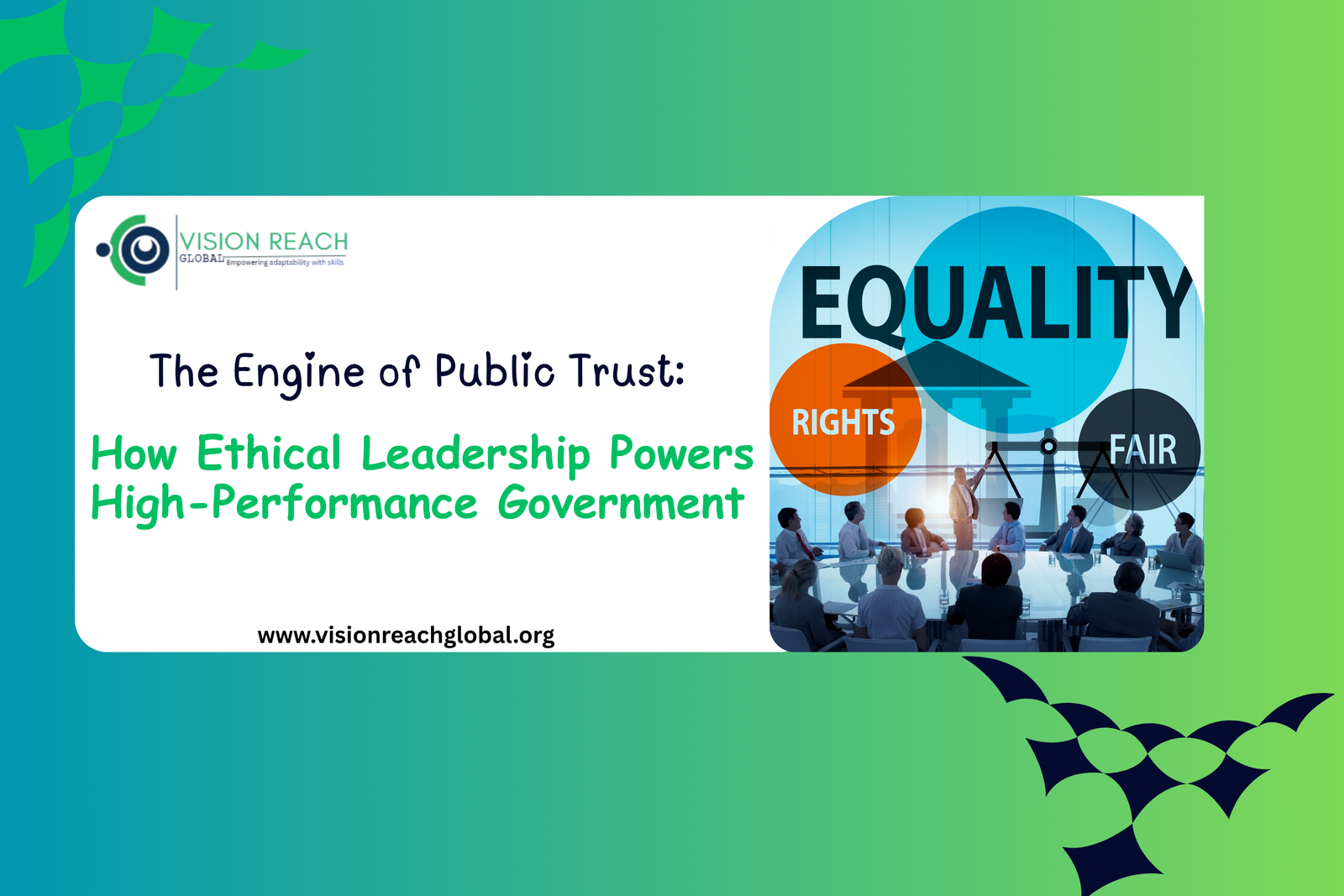
The public sector, the engine that drives our communities, faces constant pressure to perform better. Citizens expect efficient, fair, and transparent services, while governments grapple with complex challenges. So, what makes the public sector tick, delivering both ethical governance and high performance? It’s a multifaceted endeavor, demanding a strategic approach that weaves together several key elements. Let’s explore what it takes.
Crafting Smart Rules: Policy Formulation and Analysis
Effective public sector action begins with well-thought-out policies. Policy formulation and analysis are the bedrock. This means understanding problems deeply, gathering reliable information, and then creating rules and plans that address those problems effectively and fairly. It’s not just about writing laws; it’s about asking: Will this policy actually help people? Does it consider all sides? Does it set us up for success? Analyzing potential outcomes before implementing a policy saves time, money, and prevents unintended harm.
Trusting the Till: Public Financial Management and Accountability
Money is a big deal for any government, which is why public financial management and accountability are so important. It’s all about:
- Careful Budgeting: Planning how to spend money before you do it.
- Wise Spending: Making sure every dollar is used in the best way possible.
- Openness: Telling everyone exactly where the money is going.
When governments handle their money well, people feel more confident and trust them. Being accountable means leaders must explain their decisions and actions, especially concerning the money you pay in taxes. This helps guarantee that resources are used for their intended goals and prevents misuse.
Leading with Integrity: Ethical Leadership and Anti-Corruption Practices
At the heart of ethical governance lies ethical leadership and anti-corruption practices. Leaders set the tone. They must embody integrity, honesty, and fairness in all their dealings. This means championing a culture where doing the right thing is the norm, not the exception. Furthermore, implementing strong anti-corruption measures, like clear rules against bribery and nepotism, and providing safe channels for reporting misconduct, is essential for maintaining public trust. Without ethical leaders, even the best policies can falter.
Navigating the Landscape: Governance, Risk, and Compliance in Governments
The public sector operates within a framework of rules and expectations. Governance, risk, and compliance (GRC) provide this structure. Good governance means having clear decision-making processes and ensuring that power is used responsibly. Risk management involves identifying potential problems before they happen and planning how to deal with them. Compliance means following all the relevant laws, regulations, and standards. Together, these elements help governments operate smoothly, avoid pitfalls, and meet their obligations.
Making Sound Choices: Decision-Making and Problem-Solving for Public Leaders
Public leaders constantly face difficult choices and complex issues. Decision-making and problem-solving for public leaders require sharp analytical skills and a commitment to evidence-based approaches. It’s about:
- Understanding the core problem: What is the real issue we need to solve?
- Gathering relevant data: What information do we need to make an informed choice?
- Considering various options: What are the different paths we can take?
- Evaluating potential consequences: What might happen if we choose each path?
- Choosing the best course of action: Selecting the option that best serves the public interest.
Effective problem-solving often involves collaboration and a willingness to adapt.
Delivering What Matters: Performance Management and Public Service Delivery
Ultimately, the public sector exists to serve its citizens. Performance management and public service delivery are about ensuring that services are high-quality, efficient, and meet people’s needs. This involves setting clear goals, measuring progress, and using feedback to improve. When performance is managed well, services are delivered more effectively, leading to greater public satisfaction and trust. This means constantly asking: Are we meeting our targets? Are citizens happy with the services we provide? How can we do better?
Bringing Everyone Along: Participatory Governance and Stakeholder Engagement
No government operates in a vacuum. Participatory governance and stakeholder engagement are vital for inclusive and effective decision-making. This means actively involving citizens, community groups, businesses, and other relevant parties in the policy and decision-making process. When people have a voice, policies are more likely to be relevant, accepted, and successful. It fosters a sense of shared ownership and builds stronger relationships between the government and the people it serves.
Guiding the Way: Public Sector Project Leadership
Many public sector initiatives involve large and complex projects. Public sector project leadership is therefore critical. This requires strong planning, organization, and the ability to motivate teams. Project leaders must ensure that projects are completed on time, within budget, and to the required quality standards. They must also manage risks, communicate effectively with all parties involved, and ensure that the project’s goals are aligned with the broader public interest.
Embracing Progress: Change Management in Government Institutions
The world is constantly changing, and public sector institutions must adapt. Change management in government institutions is about guiding these organizations through transitions smoothly and effectively. This involves:
- Communicating the need for change: Why is this change necessary?
- Involving staff in the process: How can we get everyone on board?
- Providing necessary training and support: Equipping people with the skills they need.
- Addressing concerns and resistance: Listening to feedback and finding solutions.
Successful change management ensures that government institutions remain relevant, efficient, and capable of meeting future challenges.
Conclusion
In conclusion, driving ethical governance and high-performance service delivery in the modern public sector is not a single action, but a continuous, integrated effort. It requires smart policies, honest financial management, unwavering ethical leadership, robust governance, effective problem-solving, a focus on performance, inclusive engagement, skilled project leadership, and adept change management. When these elements work together, the public sector can truly fulfill its mission: to serve its citizens with integrity and excellence.