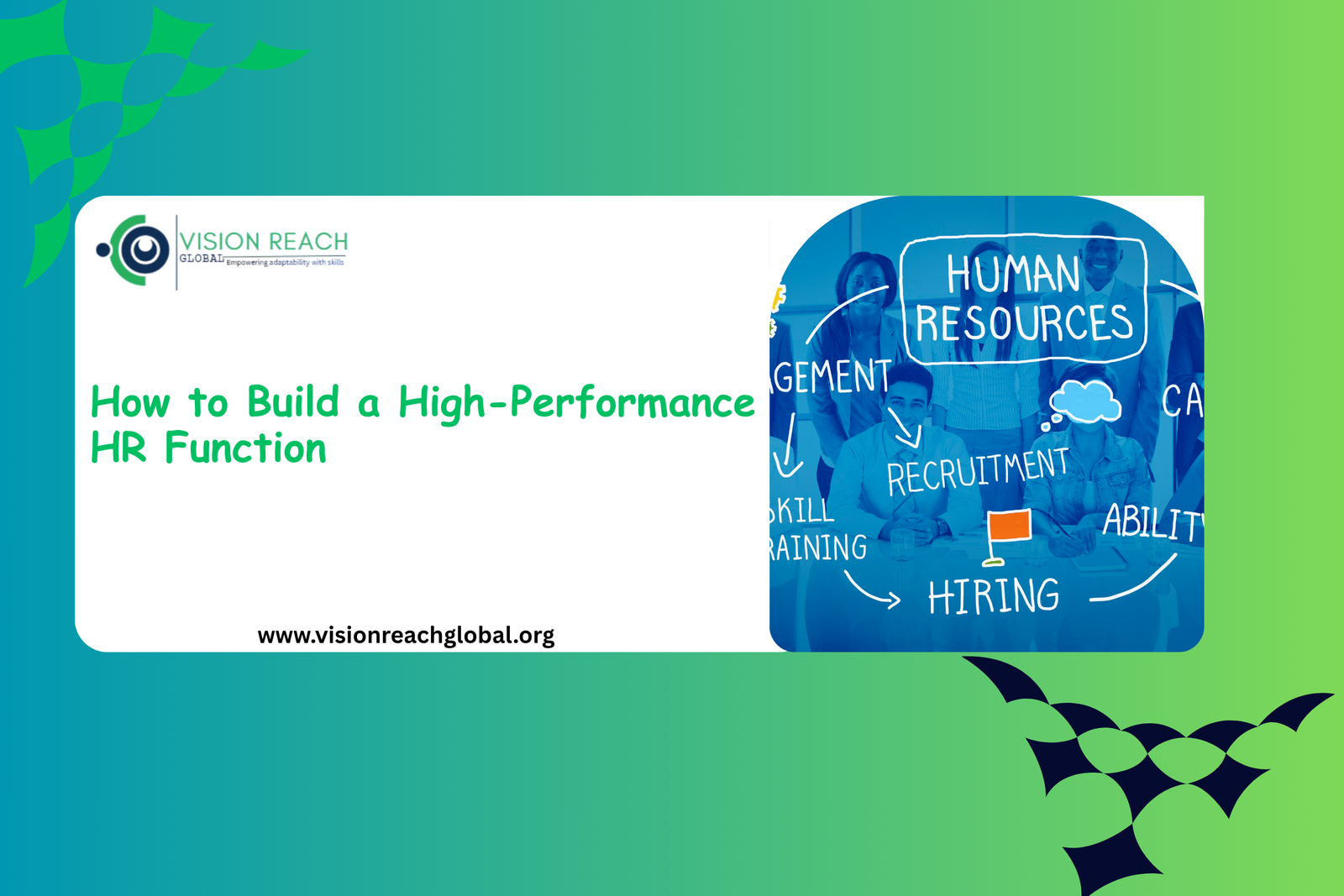
Building a high-performance HR function is about merging robust processes, smart technologies, skilled leadership, and a data-driven approach. It’s not just about having an HR department; it’s about having an HR department that actively propels the organization forward. Emphatically, this means aligning people practices with business strategy to improve how the company attracts, develops, and retains employees. Furthermore, it also involves integrating technology, strengthening leadership, and using data to guide decisions and improve workforce outcomes.
Strengthening the Bedrock: HR Compliance and Ethics
A robust HR system begins with a firm grip on HR Compliance and Ethics. This is not just a legal requirement; it forms the bedrock of trust and fairness within any HR operation. When employees see fair policies and integrity in practice, they feel secure and psychologically safe.
- Consistent Application of Labor Laws: This ensures that all employment practices, from hiring and compensation to termination and benefits, strictly adhere to national, regional, and local labor laws.
- Clear Policies and Codes of Conduct: Developing and communicating comprehensive workplace policies and codes of conduct is crucial. These documents should clearly outline expected employee behavior, ethical standards, and the consequences of violations. This clarity minimizes ambiguity and sets a high bar for professional conduct.
- Transparency in Processes: Promoting transparency in how HR handles disciplinary actions and grievance procedures builds trust.
- Ethical Training: Regularly training employees on ethical behavior, compliance standards, and the organization’s values is an ongoing necessity. This education reinforces the importance of integrity and equips employees to navigate ethical dilemmas.
Empowering Operations with Human Resource Information Systems (HRIS)
Modern HR functions rely heavily on Human Resource Information Systems (HRIS) to achieve peak efficiency and accuracy. These systems act as a central hub, consolidating all employee data and automating a multitude of repetitive, time-consuming processes.
The benefits of a well-implemented HRIS are extensive and directly impact day-to-day operations:
- Streamlined Payroll and Attendance Management: Automating payroll calculations, tax deductions, and tracking employee attendance significantly reduces errors and ensures timely payments.
- Centralized Employee Records and Documentation: HR securely stores all essential employee information, from personal details and job history to training records and performance reviews, and ensures easy access, which simplifies administration and audits.
- Efficient Performance Tracking and Reporting: HRIS can facilitate performance review processes, track goal achievement, and generate reports that offer valuable insights into employee performance trends.
- Integrated Recruitment and Onboarding Workflows: Many HRIS platforms include modules for managing job postings, tracking applicant progress, and guiding new hires through the onboarding process, making it smoother and more consistent.
Elevating Your Workforce: Human Resources Development and Personnel Management
Building a thriving workforce hinges on robust Human Resources Development and Personnel Management. Therefore, this area focuses on building a team that is skilled, motivated, and highly productive.
The core philosophy here is continuous learning and the provision of structured avenues for career growth.
To truly enhance this aspect of your HR function:
- Offer Regular Training and Upskilling Programs: Invest in ongoing training, workshops, and access to online learning platforms. This ensures employees’ skills remain current and equips them for future challenges.
- Create Clear Career Progression Paths: Develop well-defined career ladders and pathways that give employees a clear future within the organization, motivating them to invest in their development.
- Conduct Performance Appraisals Consistently: Implement a standardized and fair performance appraisal system that provides constructive feedback, identifies development needs, and recognizes achievements.
- Align Employee Roles with Organizational Goals: Linking individual job responsibilities clearly to the company’s broader strategic objectives and giving employees a sense of purpose.
Cultivating Exceptional Leaders: HR Leadership and Management Development
The effectiveness of your entire workforce is shaped by its leaders. Therefore, focusing on HR Leadership and Management Development is a critical component of building a high-performing organization. Moreover, leaders at all levels directly shape company culture, performance, and employee experience.
Effective HR leaders who champion development are characterized by:
- Clear Communication of Vision and Expectations: Clearly communicate the organization’s vision, mission, and goals so employees understand expectations and their role.
- Support for Coaching and Mentorship Programs: They actively promote and participate in coaching and mentorship initiatives, helping to cultivate talent and foster a supportive learning environment.
- Encouraging Collaboration and Innovation: They create an atmosphere where collaboration is valued, cross-functional teamwork is encouraged, and innovative ideas are welcomed and explored.
- Making Fair and Data-Informed Decisions: They base their decisions on objective data and established best practices, ensuring fairness and consistency in leadership actions.
Smarter Talent Acquisition: Leverage Recruitment Analytics for Better Hiring
In the pursuit of building a top-tier workforce, Recruitment Analytics: Using Data to Drive Hiring plays a pivotal role. This data-driven approach moves away from intuition and guesswork, leading to more accurate and effective talent acquisition strategies.
Essential metrics to track include:
- Time-to-Hire: This metric helps identify bottlenecks in the recruitment process, allowing for faster acquisition of in-demand talent.
- Cost-per-Hire: Understanding the total cost associated with bringing a new employee on board enables optimization of recruitment spending and resource allocation.
- Candidate Quality Scores: Establishing objective criteria to assess candidate suitability helps ensure that hires possess the necessary skills and cultural fit.
- Source Effectiveness: Analyzing which recruitment channels yield the best candidates allows for more targeted and efficient sourcing efforts.
Proving Value: Track Human Resource KPIs and Metrics
Ultimately, a high-performance HR function must be able to demonstrate its impact and value. This is achieved through the diligent tracking of clear Human Resource KPIs and Metrics. These indicators measure HR success and highlight areas that need improvement.
Some of the most important HR KPIs for measuring success include:
- Employee Turnover Rate: A fundamental metric that reflects employee satisfaction, engagement, and the effectiveness of retention strategies.
- Employee Engagement Score: Typically measured through surveys, this KPI provides insight into overall employee morale, commitment, and connection to the organization.
- Training Effectiveness Rate: Assesses how well training programs are equipping employees with new skills and knowledge, often measured through post-training assessments or performance improvements.
- Absenteeism Rate: Can be an early warning sign of issues related to employee well-being, workplace stress, or dissatisfaction.
- Performance Productivity Index: A composite metric that attempts to quantify the overall productivity of the workforce.
Wrap-Up
In a nutshell, building a high-performance HR function is about creating a cohesive and integrated system. This powerful blend of compliance, technology such as HRIS, leadership development, and strong data analytics through HR KPIs sets exceptional HR departments apart. Consequently, organizations that invest in HRIS, HR analytics, leadership development, and clear KPIs build stronger teams and achieve sustainable business results.