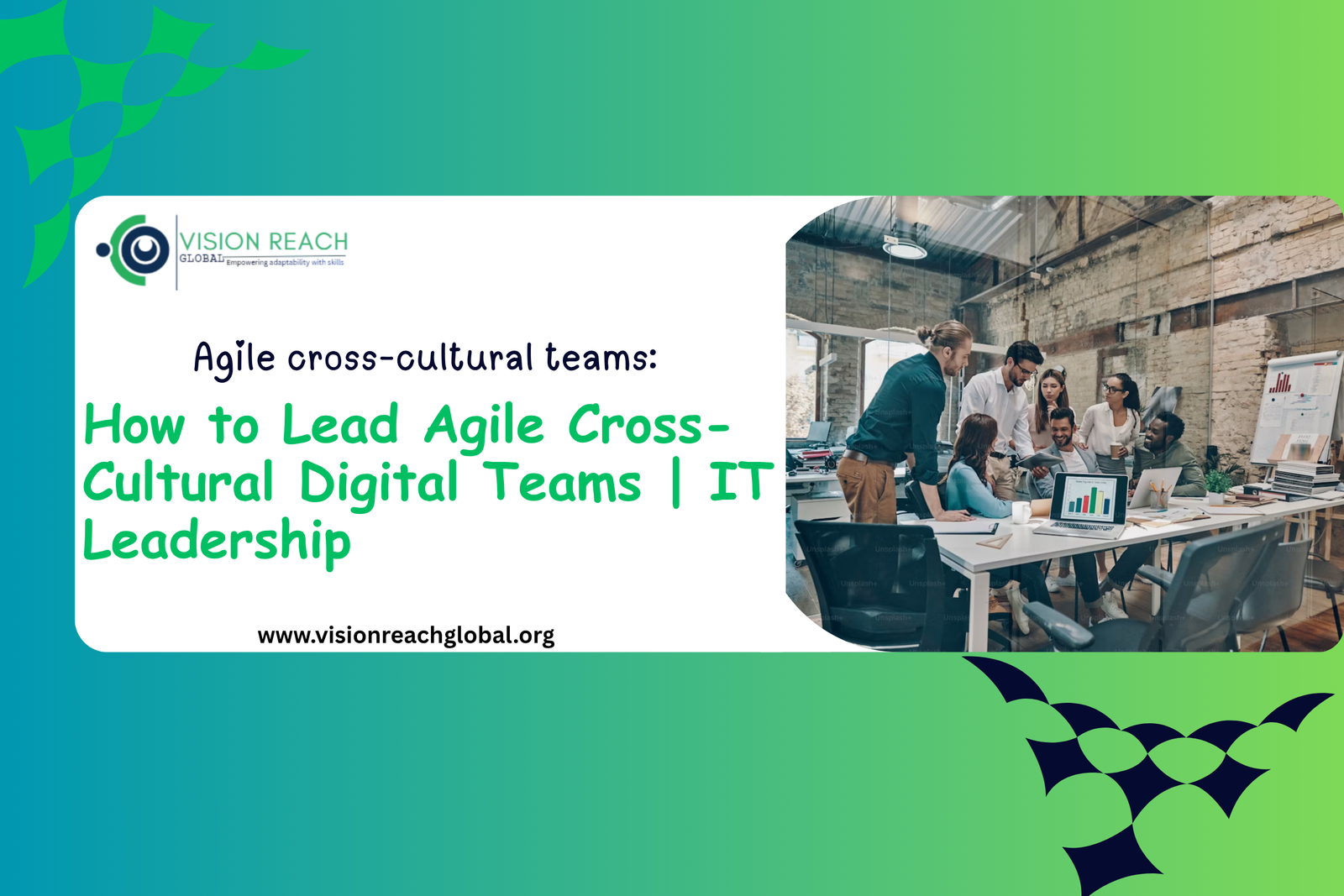
Exceptional business performance begins with leaders who unite diverse talent, inspire innovation, and deliver results in fast-changing digital environments. As businesses expand across global markets, professionals must effectively manage multicultural teams, drive successful technology initiatives, and adapt quickly to evolving customer expectations. Integrating Cross-Cultural Leadership, IT Project Leadership, Agile Management, and Leading High-Performing Digital Teams gives you a practical framework for sustainable growth, operational excellence, and successful project outcomes.
Furthermore, digital transformation has reshaped how teams communicate, collaborate, and deliver value. Leaders must embrace Agile practices, encourage continuous improvement, and foster inclusive workplace cultures that empower every team member to succeed. Organizations that invest in these leadership capabilities strengthen collaboration, speed up project delivery, improve employee engagement, and build resilient teams ready to thrive in a competitive digital landscape.
Build a Strong Cross-Cultural Foundation
Successful leaders recognize cultural differences and transform them into valuable strengths. Furthermore, they encourage respect, trust, and open communication across every project.
- Promote cultural awareness: Understanding different values and working styles strengthens collaboration and reduces misunderstandings across international digital teams.
- Encourage inclusive communication: Clear communication allows every team member to contribute ideas confidently regardless of cultural background or location.
- Respect different perspectives: Diverse viewpoints encourage innovation, improve decision-making, and produce stronger solutions for complex business challenges.
- Develop emotional intelligence: Leaders who understand emotions create trust, resolve conflicts quickly, and maintain positive working relationships.
- Celebrate team diversity: Recognizing cultural achievements motivates employees and fosters stronger engagement and lasting commitment to organizational goals.
Strengthen IT Project Leadership through Agile Practices
Effective IT Project Leadership and Agile Management enable teams to adapt quickly while maintaining quality, efficiency, and customer satisfaction. Additionally, Agile frameworks improve planning, collaboration, and continuous improvement throughout every project lifecycle.
- Apply Scrum principles: Scrum promotes regular feedback, shorter development cycles, and faster delivery of valuable business solutions.
- Use Kanban workflows: Kanban improves workflow visibility while helping teams identify bottlenecks and increase productivity in every sprint.
- Prioritize stakeholder engagement: Regular communication with stakeholders ensures projects remain aligned with changing business expectations and customer requirements.
- Manage project risks proactively: Early risk identification reduces disruptions while supporting smooth project execution and successful delivery outcomes.
- Encourage continuous improvement: Frequent reviews help teams refine processes, improve quality, and achieve better project performance over time.
Lead High-Performing Digital Teams Successfully
Leading High-Performing Digital Teams requires leaders who build trust, inspire innovation, and encourage accountability. Likewise, digital collaboration tools help remote and hybrid teams remain productive regardless of geographical distance.
- Set clear project goals: Defined objectives keep every team member focused while improving productivity and overall project success.
- Empower team members: Giving employees ownership increases confidence, strengthens accountability, and encourages creative problem-solving across digital environments.
- Support remote collaboration: Digital collaboration platforms improve communication while keeping distributed teams connected and engaged throughout every project.
- Provide regular feedback: Constructive feedback improves performance while encouraging professional growth and stronger workplace relationships.
- Recognize outstanding performance: Celebrating achievements motivates employees while reinforcing positive behaviors that improve long-term organizational success.
Develop Essential Leadership Skills
Leadership excellence grows through continuous learning, practical experience, and consistent self-improvement. Therefore, leaders should strengthen both technical expertise and interpersonal abilities to manage digital transformation.
Essential leadership skills include effective communication, strategic thinking, conflict resolution, decision-making, stakeholder management, coaching, adaptability, innovation, and change management. Furthermore, these competencies improve collaboration, increase employee engagement, and help organizations achieve a sustainable competitive advantage.
Drive Innovation and Business Success
Innovation flourishes when leaders encourage learning, experimentation, and knowledge sharing across multicultural digital teams. Meanwhile, Agile practices create flexibility, allowing organizations to respond quickly to customer feedback and emerging technologies.
Businesses that invest in Cross-Cultural Leadership, IT Project Leadership and Agile Management, and Leading High-Performing Digital Teams improve project delivery, strengthen digital transformation initiatives, and increase operational efficiency. Additionally, they develop resilient teams capable of solving complex challenges while maintaining high-quality results.
Conclusion
Exceptional leadership combines cultural understanding, Agile project management, and strong digital collaboration skills. As a result, organizations build engaged employees, deliver successful IT projects, and improve customer satisfaction. Furthermore, leaders who embrace diversity, continuous learning, stakeholder collaboration, Scrum, Kanban, innovation, and performance management position their teams for long-term success. Ultimately, investing in these leadership capabilities empowers businesses to achieve sustainable growth while confidently navigating an increasingly connected and competitive digital world.
Frequently Asked Questions
1. Why is Cross-Cultural Leadership important?
Cross-Cultural Leadership improves communication, builds trust, reduces misunderstandings, and strengthens collaboration among diverse global teams.
2. What is Agile IT Project Leadership?
Agile IT Project Leadership focuses on flexibility, collaboration, continuous improvement, Scrum, Kanban, stakeholder management, and delivering customer value.
3. How do leaders build high-performing digital teams?
Leaders build high-performing digital teams by setting clear goals, encouraging collaboration, empowering employees, providing regular feedback, and recognizing achievements.
4. Which leadership skills are essential for digital transformation?
Communication, emotional intelligence, Agile project management, stakeholder engagement, strategic thinking, innovation, adaptability, and decision-making are essential.