
Organizations must proactively strengthen financial planning, optimize credit control, and improve debt recovery to enhance cash flow and financial sustainability. These interconnected pillars form the bedrock of a robust financial strategy, enabling businesses to navigate uncertainties, seize opportunities, and ensure long-term viability. By thoroughly managing these areas, companies can unlock their full potential and achieve lasting prosperity.
The Cornerstone of Success: Strategic Financial Planning
Financial planning is not merely about budgeting; it’s a comprehensive roadmap that guides an organization’s financial journey. A well-defined plan provides clarity on future financial needs, potential risks, and growth opportunities. To begin, organizations must establish clear, measurable, achievable, relevant, and time-bound (SMART) financial goals. This involves a thorough analysis of historical financial data, market trends, and economic forecasts. Furthermore, robust Financial Analysis and Planning necessitate scenario planning, allowing businesses to anticipate various economic conditions and develop contingency strategies. This proactive approach ensures that the organization remains agile and prepared to adapt to unforeseen challenges.
Key Elements of Strategic Financial Planning:
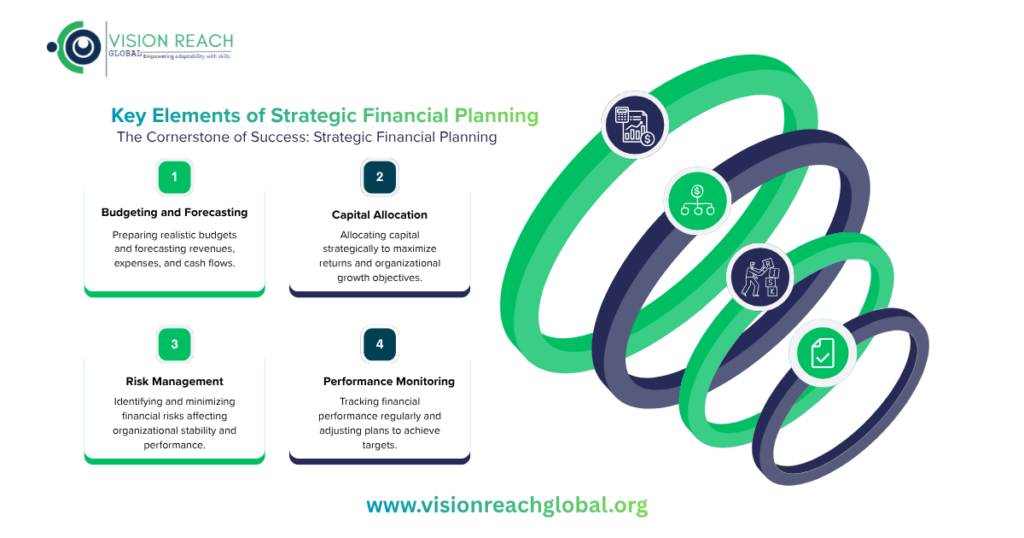
- Budgeting and Forecasting: Developing accurate budgets and realistic financial forecasts is fundamental. This involves projecting revenues, expenses, and cash flows for specific periods.
- Capital Allocation: Strategically allocating capital to investments that offer the highest potential return while aligning with the organization’s long-term objectives.
- Risk Management: Identifying and mitigating financial risks, such as interest rate fluctuations, currency exchange volatility, and credit defaults.
- Performance Monitoring: Regularly tracking financial performance against established goals and making necessary adjustments to plans.
Fortifying the Front Lines: Optimizing Credit Control
Effective credit control is paramount in safeguarding an organization’s cash flow. It involves establishing clear credit policies and procedures to minimize the risk of bad debts. Therefore, companies must carefully assess the creditworthiness of potential customers before extending credit. This assessment can involve analyzing credit reports, financial statements, and trade references. Moreover, setting appropriate credit limits and payment terms based on the customer’s risk profile is crucial.
Best Practices for Credit Control:
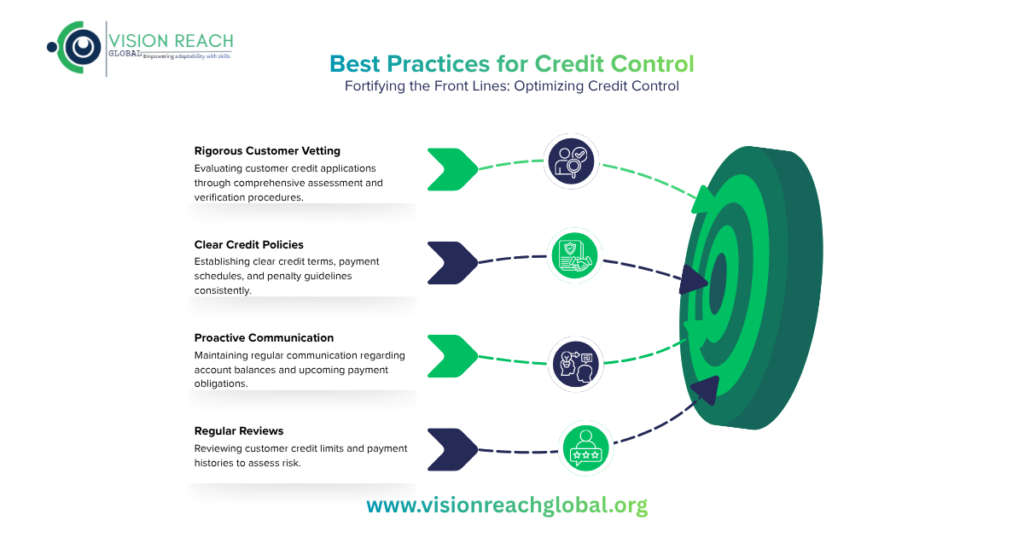
- Rigorous Customer Vetting: Implementing a comprehensive process for evaluating new customer credit applications.
- Clear Credit Policies: Documenting and communicating clear credit terms, payment schedules, and late payment penalties.
- Proactive Communication: Maintaining open lines of communication with customers regarding their account status and upcoming payments.
- Regular Reviews: Periodically reviewing customer credit limits and payment histories to identify any changes in risk.
Reclaiming What’s Yours: Enhancing Debt Recovery
Even with robust credit control measures, overdue payments can occur. Therefore, organizations must implement a systematic and efficient debt recovery process. This process should be both firm and fair, aiming to recover outstanding amounts while preserving customer relationships where possible. Swift action is key; the longer a debt remains outstanding, the harder it becomes to collect. Consequently, a well-defined collection strategy is essential.
Credit Management, Debt Collection, and Accounts Receivable are intricately linked. Strong credit management lays the foundation, but efficient debt collection processes are vital for turning receivables into actual cash. Therefore, organizations should establish a tiered approach to collections, starting with gentle reminders and escalating to more formal actions as necessary.
A Phased Approach to Debt Recovery:
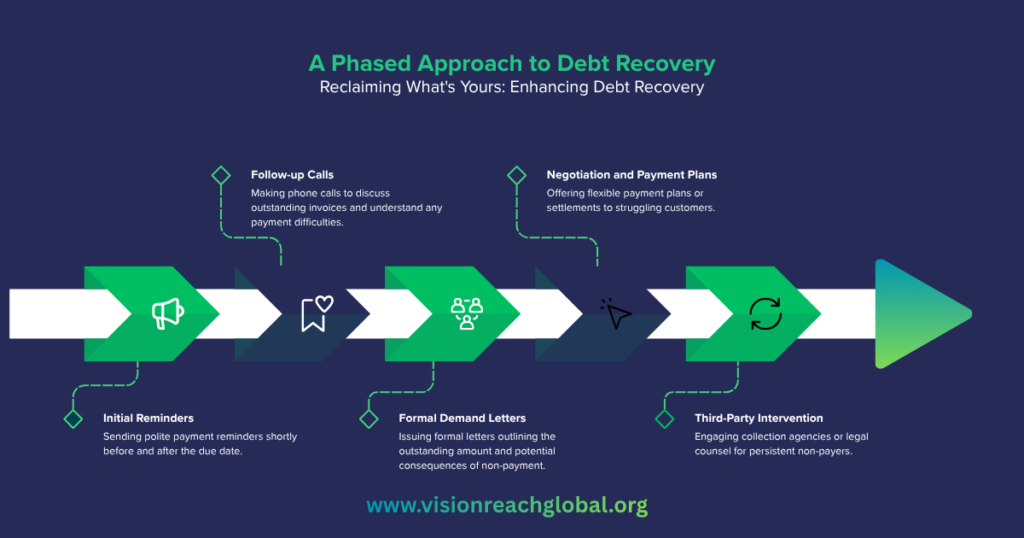
- Initial Reminders: Sending polite payment reminders shortly before and after the due date.
- Follow-up Calls: Making phone calls to discuss outstanding invoices and understand any payment difficulties.
- Formal Demand Letters: Issuing formal letters outlining the outstanding amount and potential consequences of non-payment.
- Negotiation and Payment Plans: Offering flexible payment plans or settlements to struggling customers.
- Third-Party Intervention: Engaging collection agencies or legal counsel for persistent non-payers.
The Synergy of Strengths: Integrated Credit Control and Debt Management
Ultimately, the most effective approach involves integrating Credit Control and Debt Management into a cohesive strategy. This synergy ensures that credit policies and collection efforts work in tandem to maximize cash flow and minimize financial risk. By leveraging technology, organizations can further streamline these processes. Accounting software with integrated invoicing and payment tracking capabilities can automate reminders and provide real-time visibility into accounts receivable. Furthermore, data analytics can identify patterns in late payments, allowing for proactive adjustments to credit policies or collection strategies.
Wrap-Up
In conclusion, by diligently strengthening financial planning, optimizing credit control, and improving debt recovery, organizations can significantly enhance their cash flow and ensure long-term financial sustainability. These proactive measures empower businesses to not only weather economic storms but also to thrive and achieve their strategic objectives, fostering a more resilient and prosperous future.