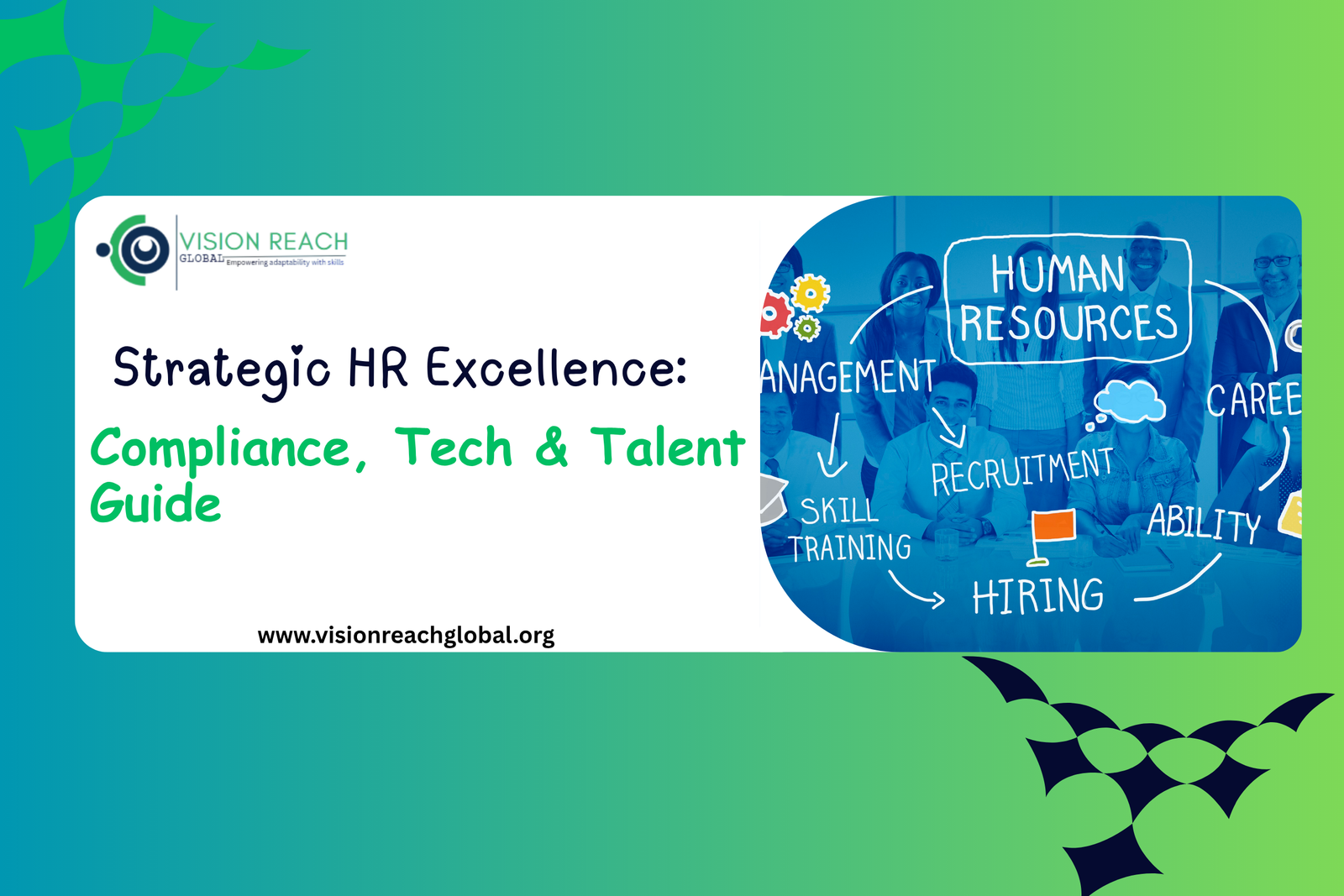
People drive business success, and effective human resource management creates the foundation for growth, productivity, and sustainability. As workplaces continue evolving, HR professionals must balance compliance requirements, technology adoption, workforce development, and leadership effectiveness. Therefore, achieving Strategic HR Excellence requires a deliberate approach that integrates governance, digital transformation, talent management, and performance measurement.
Building a Strong Foundation through HR Compliance and Ethics
A successful HR function begins with HR Compliance and Ethics. Compliance helps organizations meet labor laws, regulatory requirements, and workplace standards, while ethical practices strengthen trust and accountability. Moreover, strong governance reduces legal risks and protects organizational reputation.
Key focus areas include:
- Policy Compliance Management – Consistent policy implementation strengthens accountability while minimizing workplace disputes and regulatory violations.
- Workplace Ethics Programs – Ethical guidelines encourage responsible conduct and reinforce organizational values across departments.
- Risk Management Frameworks – Proactive risk assessments identify compliance gaps before they become significant operational challenges.
- Employee Relations Management – Fair treatment practices promote trust, engagement, and long-term workforce stability.
- Labor Law Compliance – Regular legal reviews ensure employment practices remain aligned with changing regulations.
Consequently, organizations that prioritize compliance create safer and more productive work environments.
Leveraging Human Resource Information Systems (HRIS)
Technology has transformed HR operations, making Human Resource Information Systems (HRIS) essential for modern workforce management. These systems automate routine processes, improve data accuracy, and provide valuable insights for decision-making.
Key benefits of HRIS include:
- Employee Data Management – Centralized records improve information accessibility while reducing administrative workload.
- Payroll and Benefits Administration – Automated processing increases efficiency and minimizes payroll-related errors.
- Workforce Analytics – Real-time reporting supports informed decisions regarding staffing, productivity, and retention.
- Performance Management Systems – Digital tracking tools simplify employee evaluations and development planning.
- Self-Service HR Portals – Employee access to information improves engagement while reducing support requests.
As a result, organizations can allocate more time to strategic initiatives rather than administrative tasks.
Advancing Human Resources Development and Personnel Management
Talent remains a critical competitive advantage. Therefore, Human Resources Development and Personnel Management focus on building employee capabilities, enhancing engagement, and supporting career growth.
Effective personnel development strategies include:
- Training and Development Programs – Continuous learning strengthens employee competencies and supports organizational performance goals.
- Succession Planning Initiatives – Leadership continuity remains protected through structured talent identification and preparation.
- Career Development Frameworks – Clear progression pathways motivate employees and improve retention rates.
- Employee Engagement Strategies – Meaningful workplace experiences encourage commitment, productivity, and job satisfaction.
- Competency-Based Management – Skill assessments align workforce capabilities with organizational priorities.
Furthermore, investing in workforce development creates a culture of innovation and adaptability.
Strengthening HR Leadership and Management Development
Strong leadership directly influences organizational performance. Consequently, HR Leadership and Management Development equips managers and HR professionals with the skills needed to guide teams effectively.
Critical leadership competencies include:
- Strategic Workforce Planning – Leaders align talent strategies with organizational objectives for sustainable growth.
- Change Management Skills – Effective leadership supports smooth transitions during organizational transformation initiatives.
- Decision-Making Capabilities – Data-informed decisions improve operational efficiency and workforce outcomes.
- Conflict Resolution Techniques – Constructive approaches strengthen collaboration while reducing workplace tensions.
- Coaching and Mentorship Programs – Guidance from experienced leaders accelerates employee growth and development.
Therefore, leadership development remains a key investment for organizations seeking long-term success.
Using Recruitment Analytics: Using Data to Drive Hiring
Hiring decisions significantly impact organizational performance. However, traditional recruitment methods often rely on assumptions rather than evidence. Recruitment Analytics: Using Data to Drive Hiring helps HR teams make smarter hiring decisions through measurable insights.
Important recruitment analytics applications include:
- Candidate Sourcing Analysis – Data identifies recruitment channels that consistently deliver the highest-quality applicants.
- Time-to-Hire Measurement – Recruitment tracking reveals process inefficiencies and improvement opportunities.
- Quality-of-Hire Evaluation – Performance data assesses the effectiveness of recruitment strategies.
- Diversity Recruitment Metrics – Analytics support inclusive hiring practices and workforce representation goals.
- Predictive Talent Acquisition – Forecasting tools anticipate future hiring needs and talent shortages.
Additionally, data-driven hiring improves recruitment outcomes while reducing costs and turnover.
Measuring Success through Human Resource KPIs and Metrics
Without measurement, improvement becomes difficult. Therefore, Human Resource KPIs and Metrics provide valuable indicators of workforce performance and HR effectiveness.
Essential HR metrics include:
- Employee Turnover Rate – Monitoring departures helps identify retention challenges and workforce stability concerns.
- Employee Productivity Metrics – Performance indicators that reveal workforce efficiency and operational effectiveness.
- Training Effectiveness Measures – Learning outcomes demonstrate the impact of employee development investments.
- Absenteeism Tracking – Attendance patterns highlight potential engagement or workplace wellness issues.
- Employee Satisfaction Scores – Feedback data supports continuous improvement and stronger employee experiences.
Moreover, HR dashboards and workforce analytics platforms allow leaders to monitor performance trends and make informed decisions.
Conclusion
Strategic HR excellence requires a balanced focus on HR Compliance and Ethics, Human Resource Information Systems (HRIS), Human Resources Development and Personnel Management, HR Leadership and Management Development, Recruitment Analytics: Using Data to Drive Hiring, and Human Resource KPIs and Metrics. When organizations integrate these areas effectively, they improve compliance, strengthen talent management, enhance workforce productivity, and support sustainable growth. Ultimately, HR becomes a strategic partner that drives business success through people, technology, leadership, and data-driven decision-making.
FAQs
HR Compliance and Ethics help organizations meet legal requirements, reduce workplace risks, promote fair treatment, and protect their reputation.
An HRIS automates administrative tasks, centralizes employee data, improves reporting accuracy, and supports informed workforce decisions.
It enhances employee skills, increases engagement, improves retention, and ensures the workforce is prepared to meet organizational goals.
Recruitment Analytics uses data to identify effective sourcing channels, reduce hiring time, improve candidate quality, and support better hiring decisions.
They measure HR performance through indicators such as turnover rates, employee productivity, training effectiveness, and employee satisfaction, helping organizations track progress and improve results.